
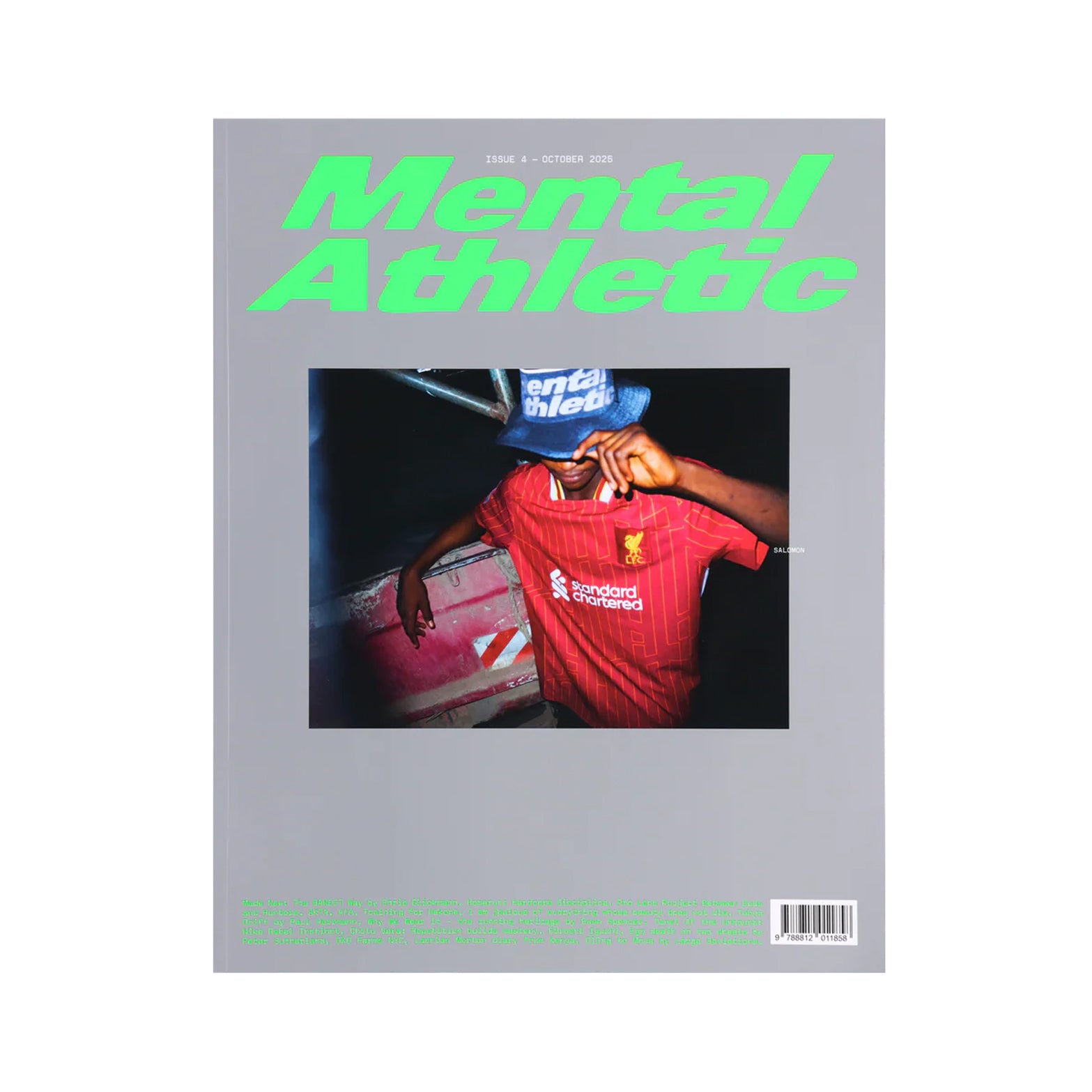

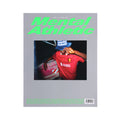

Mental Athletic Issue #4 Salomon Cover - Where Running Meets Culture
Mental Athletic exists at the intersection where running transcends sport and becomes culture. This biannual magazine explores the aesthetic codes, communities, and creative forces shaping modern running culture. Issue #4 brings together elite athletes, innovative brands, underground crews, and visual artists who share a common language: movement.
Editorial Vision
Published biannually, Mental Athletic generates fresh perspectives on running's role in contemporary life. The magazine sits comfortably between sport, nature, fashion, and lifestyle—documenting how running connects disparate communities and creates belonging. Each issue captures the current moment in running culture whilst examining the deeper connections between movement, identity, and creative expression.
Issue #4 Contents
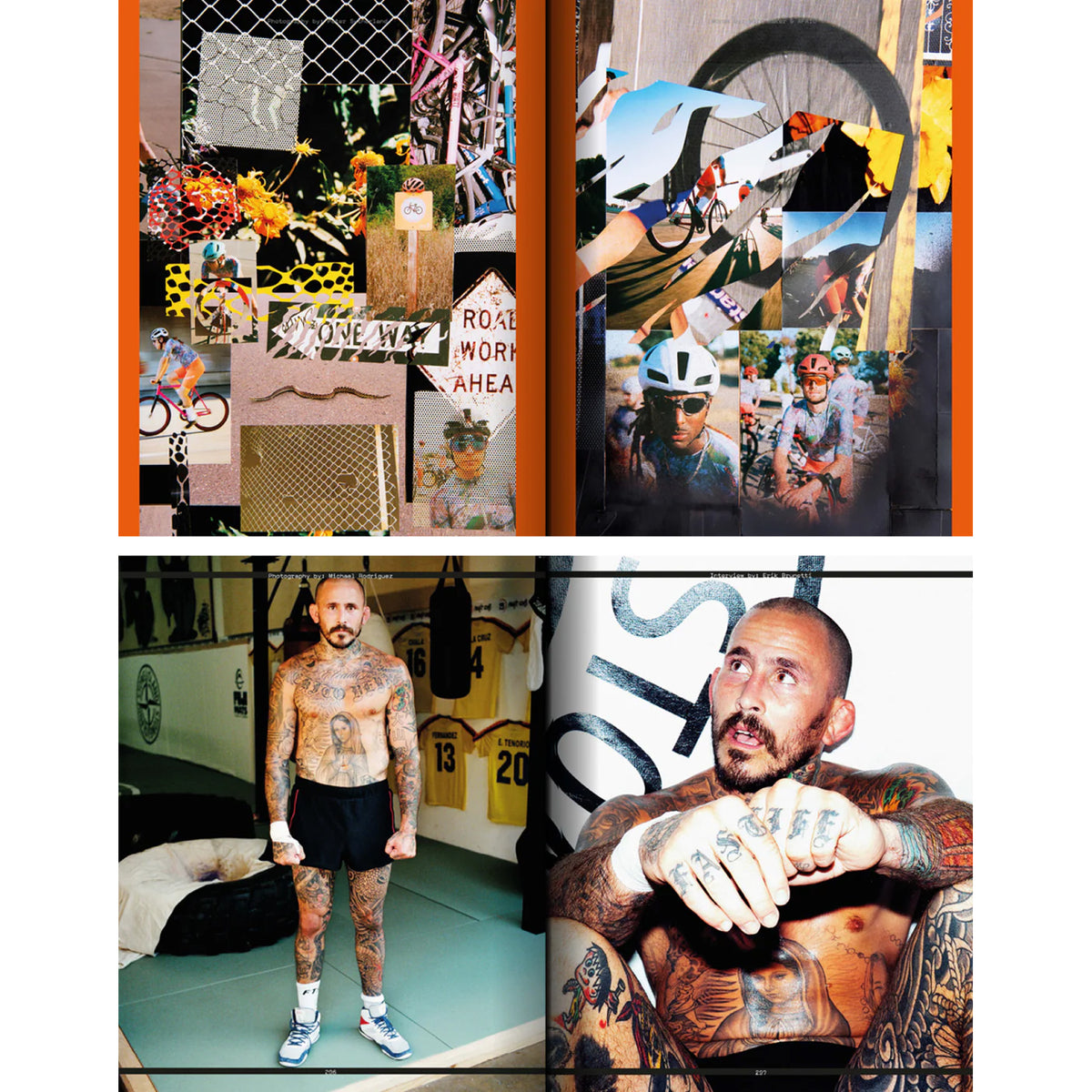
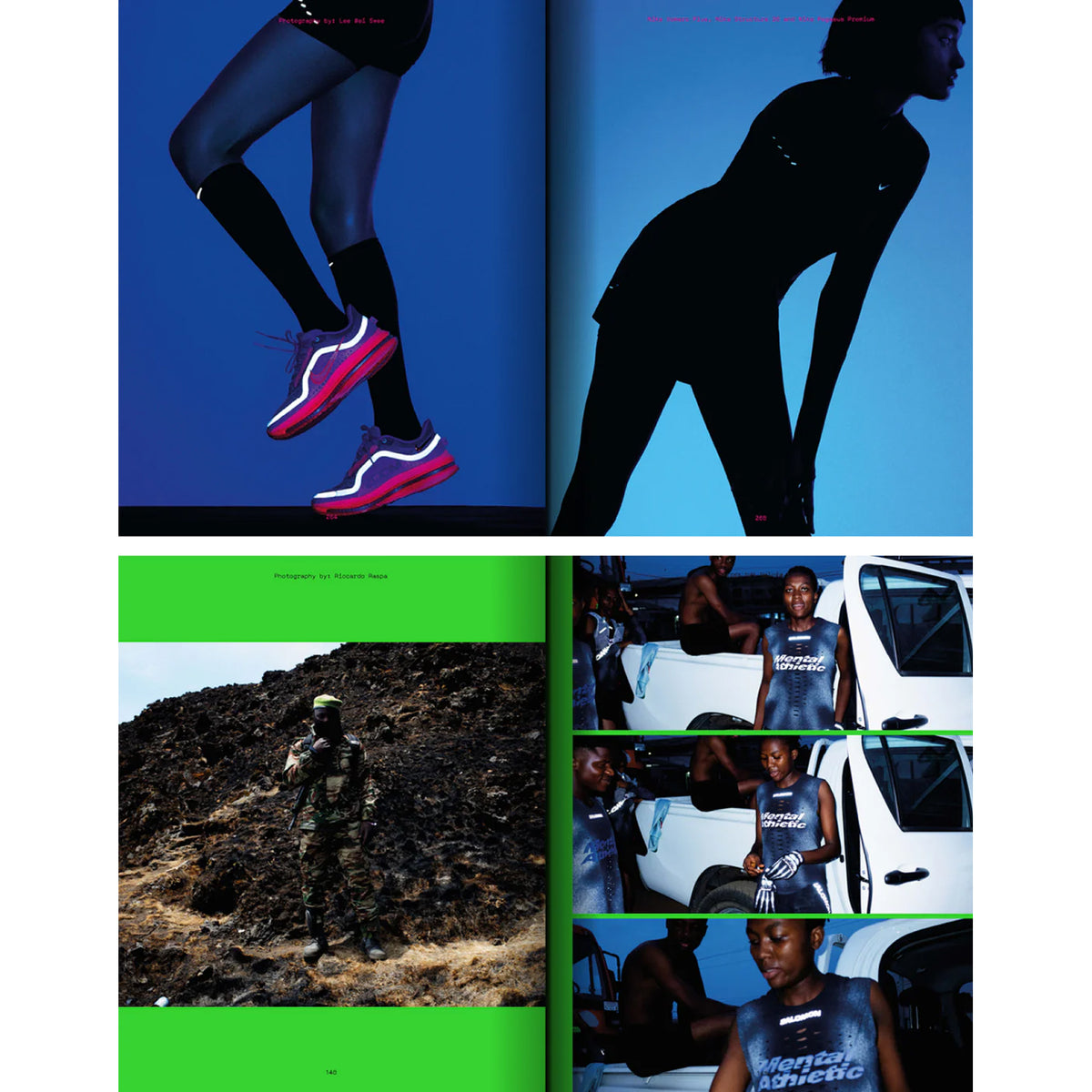
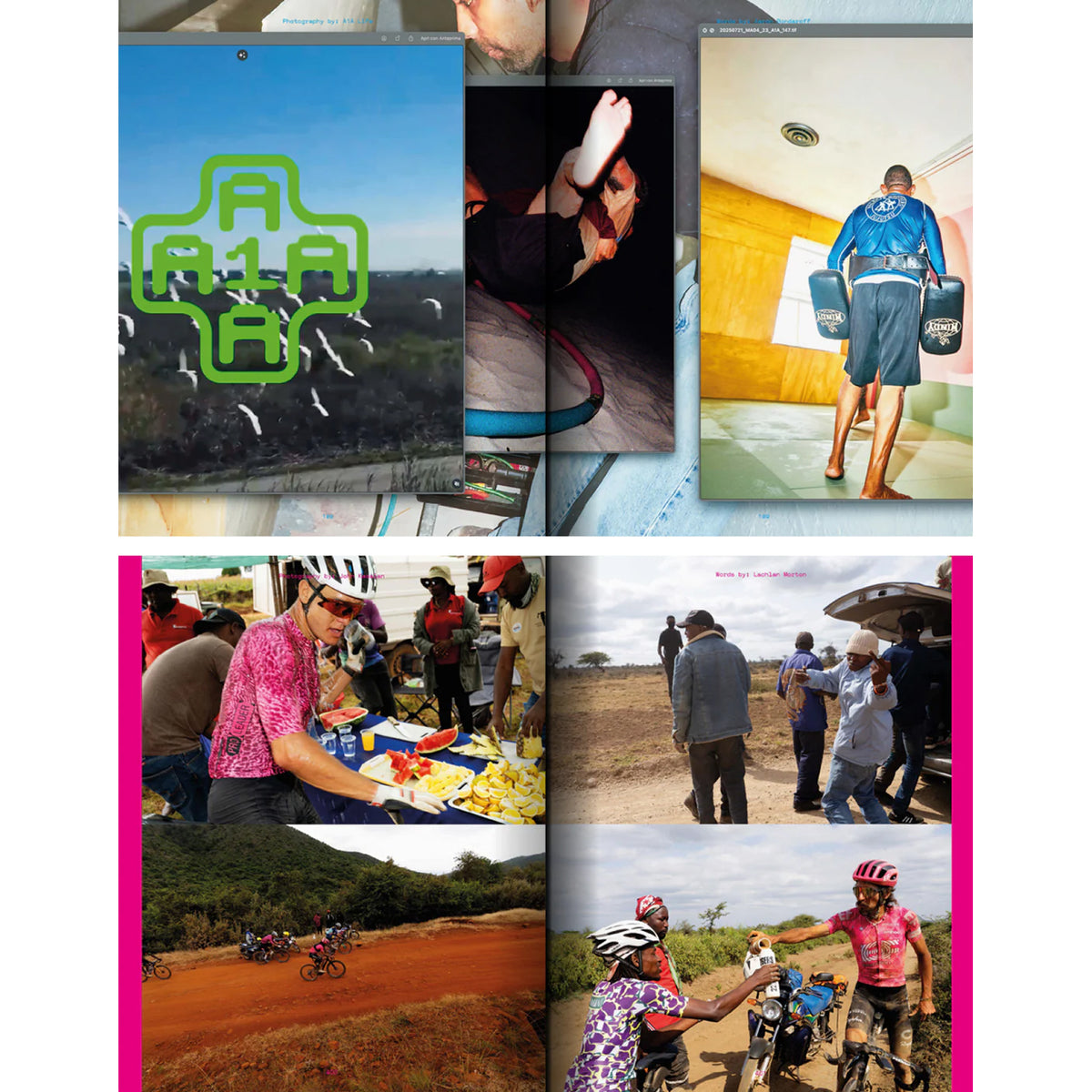
This edition features Chris Glickmann on the BANDIT philosophy, explores hardcore running discipline through the Homerun lens, and follows Lachlan Morton's training diary from Kenya. Photographer Paul Herrmann documents Tokyo's running scene, whilst Ewen Spencer examines running's heritage through "Why We Wear It." The issue includes profiles on MMA fighter Chito Vera's training philosophy, Japanese runner Hiroshi Iguchi, and visual essays from Peter Sutherland and Julian Klincewicz. Brand features include Nike's Rebel Instinct collection, AKTA, A1A, and OKO Farms NYC.
Physical Details
- Format: 26 × 32 cm
- Pages: 424
Is The Mental Athletic Magazine for You?
Perfect for runners who see their sport as more than training splits and race times. If you're interested in running's cultural impact—the crews forming in cities worldwide, the designers reimagining performance wear, the photographers documenting movement—Mental Athletic speaks your language. The magazine explores how running creates community, challenges conventional thinking, and exists as both athletic pursuit and creative expression. Whether you're deeply embedded in running culture or discovering its aesthetic and social dimensions, Issue #4 offers perspectives that extend beyond the standard running media narrative.

Delivery
We offer free UK delivery on all orders over £80. Orders placed before 3pm will be dispatched on the same day. You can also choose Click & Collect from our Glasgow store. Subject to bank / public holidays.
Returns
Not quite sure about your purchase? No problem - just return it to us, free of charge (UK), within 28 days for a refund or exchange.